
Tampa Museum of Art — Renovation & Expansion
Tampa, Florida
At a Glance
Project Value
$8.9 Million
Optimized down from a $9.6M initial GMP
Scale
31,000 SF Total Renovation
11,500 SF of 5 New Galleries
Key Features
3 New Classrooms
2 New Lobbies
5x Increased Painting Storage
100% Continuous Museum Operations throughout construction

The Challenge
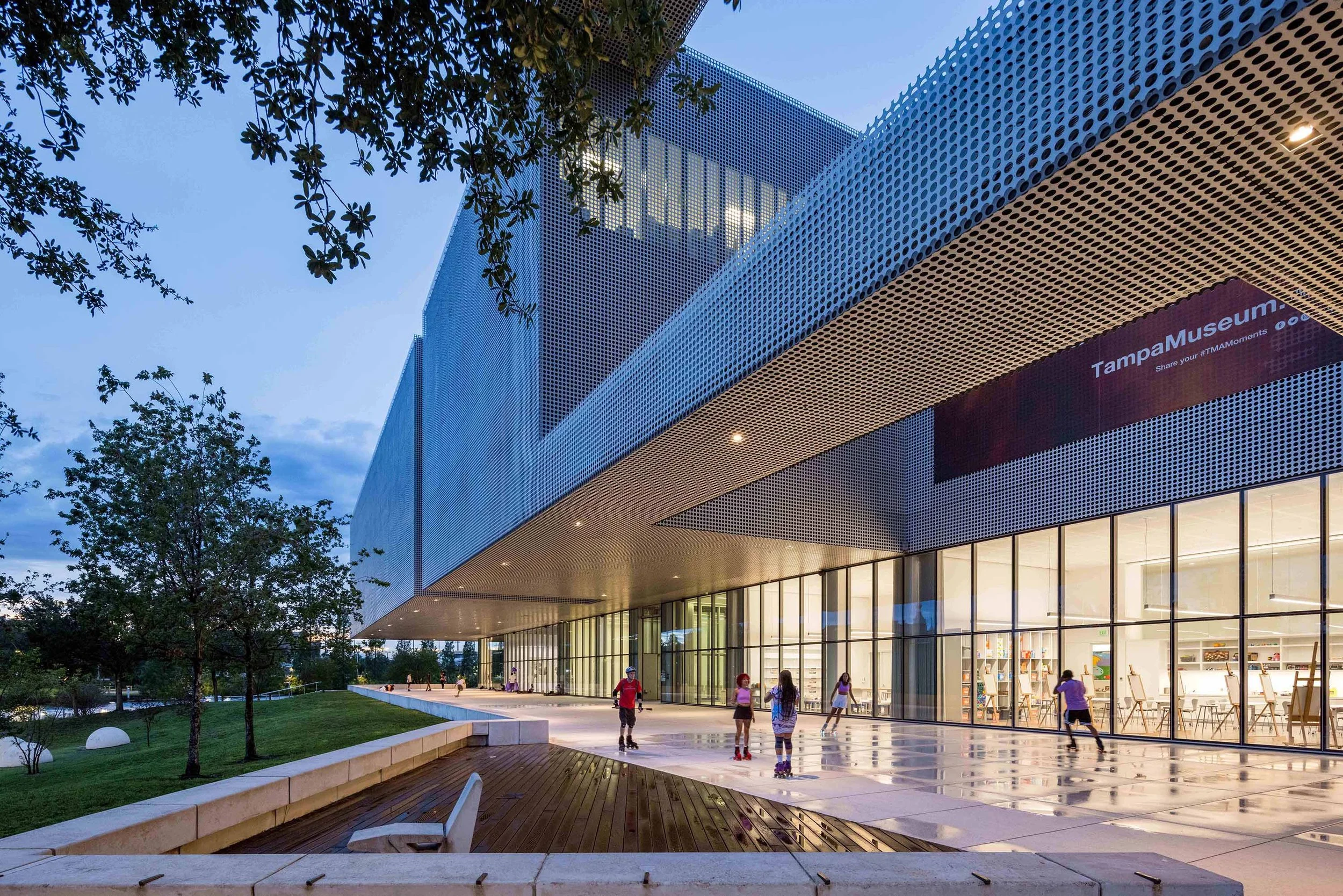
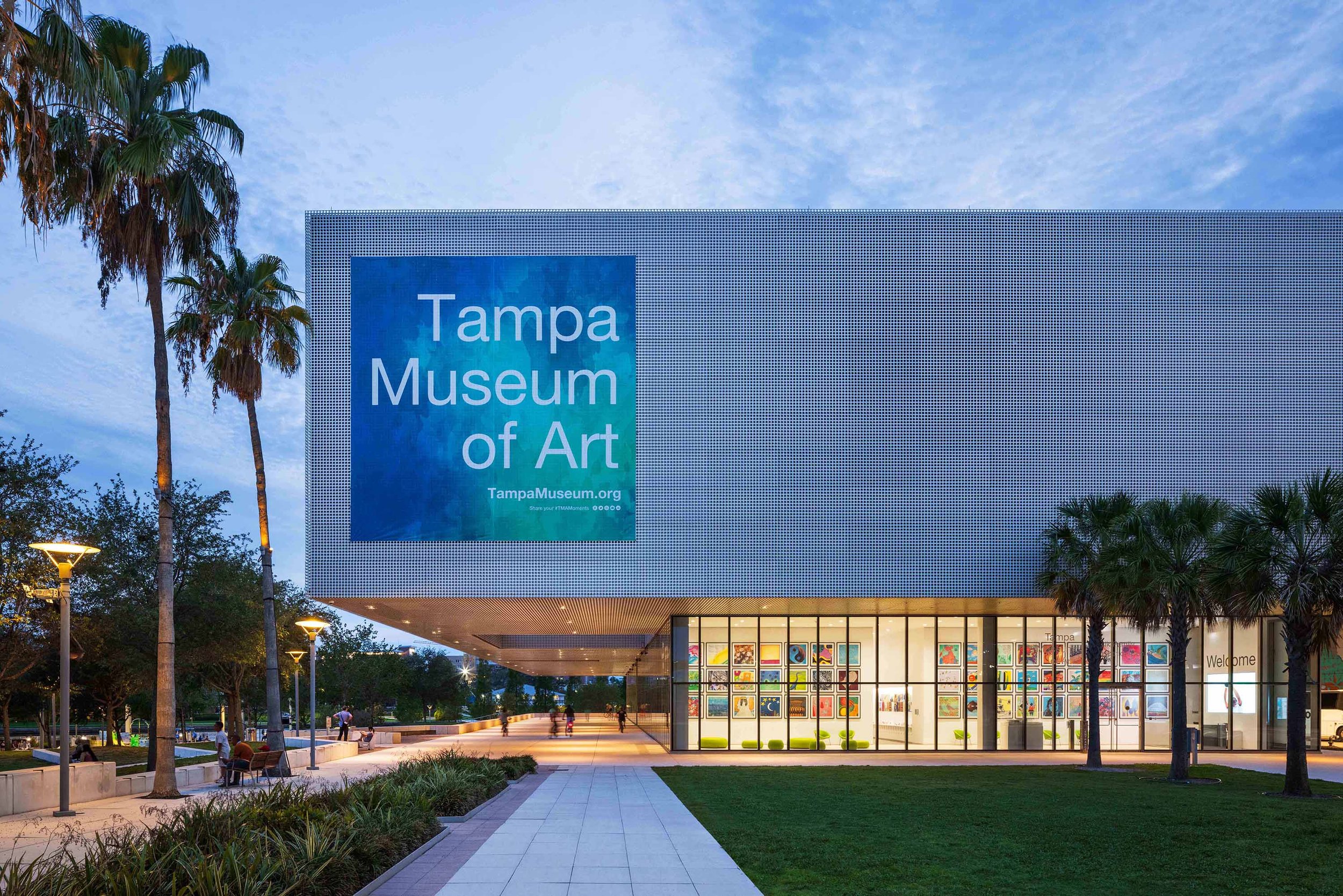
The Tampa Museum of Art needed a major renovation and expansion while remaining fully operational and open to the public. The museum had to maintain its active calendar—including four major fundraising events and weekly private bookings—without compromising on construction progress. Additionally, early projections pushed the initial Guaranteed Maximum Price (GMP) to $9.6 million, threatening the non-profit's budget limits.
The Ellison Approach
Ellison Advisors took command of the pre-construction phase through an intensive stakeholder alignment process. Working across drawing deliverables, we hosted collaborative workshops with museum departments—from curatorial and security to facilities maintenance—to embed real-world utility directly into the design. Through cooperative value engineering with the design team and trade partners, we generated over 60 cost-saving ideas, shaving $700,000 off the initial GMP without sacrificing quality.
To keep the museum doors open, we engineered a meticulous, phased sequencing plan with the construction manager, complete with shifting temporary entrances and work-zone mapping. When an unexpected warehouse relocation delayed essential gallery light fixtures, our team quickly pivoted by sourcing compliant alternatives and coordinating in-house solutions to protect the timeline, while leveraging Procore’s drawing history platform to rigorously vet change orders.


The Impact
By acting as a relentless owner's advocate, Ellison Advisors delivered a transformed cultural asset on time and under budget. Our rigorous Procore change-order vetting eliminated unnecessary expenses, saving the owner approximately $915,000 (a 35% reduction). Most importantly, the museum maintained continuous public access and event schedules throughout the entire construction lifecycle, safeguarding its community presence and revenue streams.


